
Does Arc Flash Training Expire?
As with many certifications, a common question about electrical safety relates to how long arc flash training lasts. Thousands of Google and AI searches are performed monthly that ask, “Does arc flash training expire?
The short answer is, yes, arc flash training does expire.
NFPA 70E requires employers to provide arc flash refresher training to qualified electrical workers at intervals not to exceed three years. This isn’t a recommendation—it’s a compliance requirement that OSHA expects employers to follow.
However, the three-year retraining frequency is a minimum requirement. Depending on your workplace, the equipment, and other factors, training may need to be more frequent than every three years.
Understanding when arc flash certification expires and when refresher training is required helps employers maintain compliance and ensure worker safety.
Let’s start by examining what OSHA and NFPA say about retraining.
Arc Flash Training Expiration per OSHA and NFPA 70E
OSHA doesn’t have a standalone arc flash training standard with a specific expiration timeline.
Instead, it recognizes NFPA 70E as the consensus standard for electrical safety in the workplace and expects employers’ electrical safety programs to align with the standard.
This means employers must comply with the training requirements outlined in the NFPA 70E standard.
Here’s what the standard says about arc flash refresher training:
NFPA 70E 110.4 Training Requirements (3):
“Additional training and retraining in safety-related work practices and applicable changes in this standard shall be performed at intervals not to exceed 3 years.”
If your workers haven’t received arc flash training within the past three years, your organization is out of compliance with NFPA 70E. In the event of an incident or OSHA inspection, outdated training records can result in citations, fines, and significantly increased liability.
More importantly, a lack of training and retraining can result in your workers getting injured or killed.
For a complete breakdown of what arc flash training must include, see our Arc Flash Training Requirements guide.
When Arc Flash Refresher Training is Required
So, as we’ve just covered, arc flash training is required every three years, at a minimum. But other events also trigger the need for retraining before the three-year interval.
Here are additional events that will trigger the need for arc flash retraining:
- An employee is observed to be working unsafely, circumventing safety procedures, or failing to comply with safety-related work practices or company procedures.
- New equipment, technology, or procedures are introduced that require different or additional safety measures and procedures to be implemented.
- A worker needs to review tasks that are performed less often than once per year.
- A worker needs to perform tasks and safety-related work practices that they don’t usually use during their regular job duties.
- An employee’s job duties change, which introduce new tasks and hazards that the employee is not familiar with.
- When the standard is updated and introduces changes that employees must be familiar with.
Employer Arc Flash Refresher Training Requirements
Many employers establish their own arc flash training requirements that exceed the minimum requirements of NFPA 70E. For example, some employers provide arc flash training annually, particularly in high-risk environments or facilities where workers frequently perform energized work.
Another best practice that many employers follow is to retrain workers after an incident or near-miss.
These additional employer requirements reflect the understanding that waiting three years between arc flash training is a minimum requirement and not necessarily what’s best for worker safety at their workplace.
Best Practices for Arc Flash Refresher Training
Meeting the minimum NFPA 70E retraining interval helps ensure compliance, but compliance alone does not guarantee the safety of your employees, especially when it comes to something as hazardous as arc flash. The employers with the strongest safety cultures treat the three-year requirement as a baseline, not a target.
Training Frequency
Many employers choose to conduct arc flash refresher training annually rather than waiting the full three years. Workers who interact with energized equipment regularly benefit from more frequent reinforcement of safe work practices, hazard recognition, and PPE requirements. Annual training keeps this knowledge fresh rather than allowing it to fade between certification cycles.
Also, more frequent training reduces legal risk. Employers who can demonstrate a proactive approach to training, including refreshers that exceed the minimum interval, are in a stronger position to show they took worker safety seriously when OSHA is onsite. This is invaluable during OSHA inspections and informal conferences.
What Should Arc Flash Refresher Training Include?
Arc flash refresher training should cover the same material as initial training. The hazards haven’t changed, the standards haven’t gotten simpler, and workers don’t benefit from an abbreviated version of what they need to know.
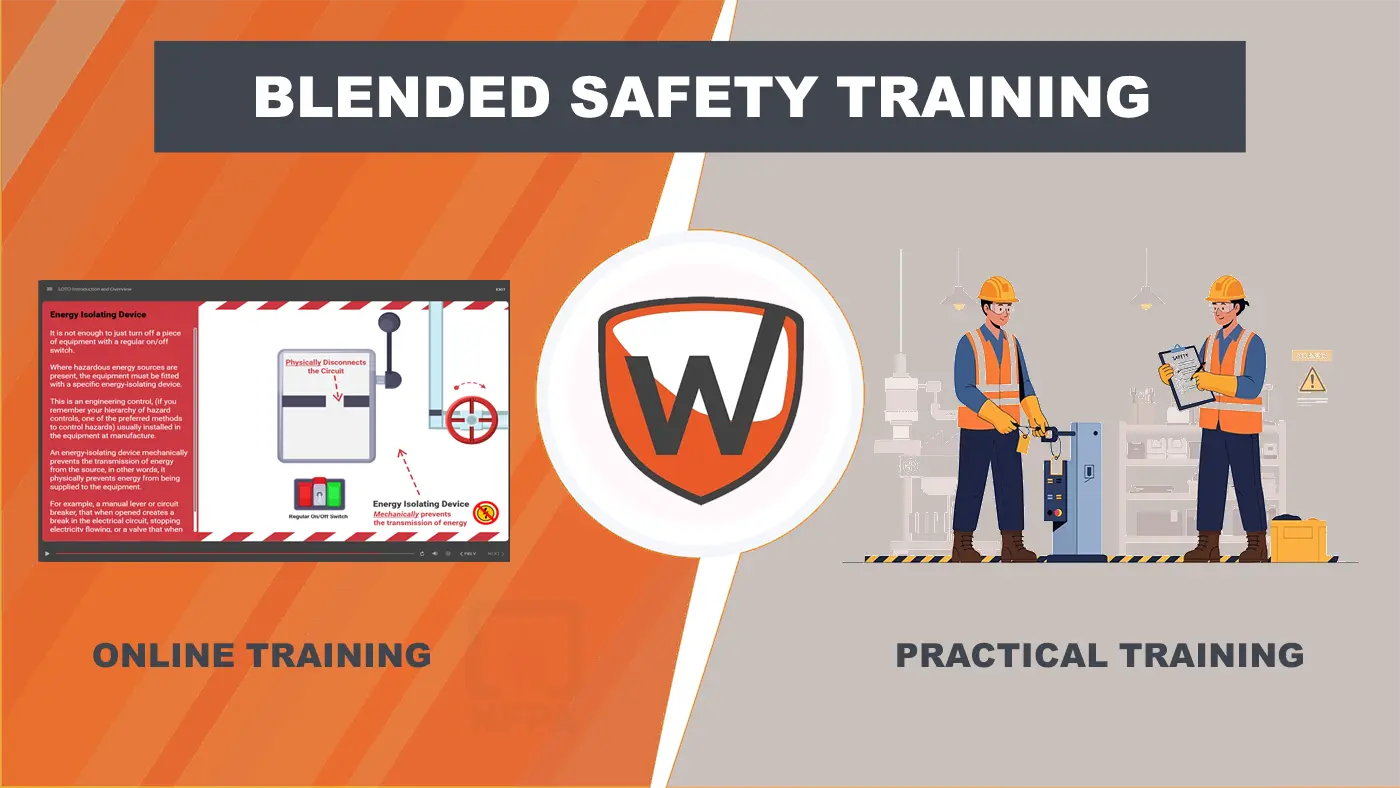
A complete refresher includes both the general training, which can be completed in a classroom or online, and workplace-specific practical training. This is the same structure required for initial certification. Most employers use our arc flash online training courses for refresher training, followed by a practical review of site-specific equipment and procedures.
General Arc Flash Training
The general arc flash refresher training component should include topics such as:
- Arc flash and electrical shock hazards
- OSHA and NFPA 70E requirements
- Hazard identification and arc flash labels
- Approach and arc flash boundaries
- PPE selection and use
- Safe work practices
Workplace-Specific Arc Flash Refresher Training
The practical portion should cover:
- Site-specific equipment and electrical systems
- Company electrical safety policies and procedures
- Arc flash boundaries and PPE requirements for specific tasks
- Lockout/tagout procedures and verification methods
- Emergency response and incident reporting
Refresher Training Language
OSHA requires that arc flash refresher training be provided in a language and vocabulary that employees can understand. This means employers must ensure that employees fully comprehend the training.
For example, if you’re retraining Spanish-speaking electrical workers, you can provide them with Spanish online arc flash training and certification to cover the classroom portion of the training. The practical training can then be completed by a Spanish-speaking arc flash trainer.
How to Update and Refresh Your Arc Flash Training
Updating your arc flash training has never been more accessible. Whether you’re an individual electrical worker, an employer responsible for a team, or a staffing agency placing electrical workers. There are flexible options to fit your needs in updating and refreshing your arc flash training.
Workers
If you need to get an updated arc flash certificate, online training is a convenient and widely recognized option.
With online arc flash certification, you can:
- Complete the training at your own pace, from any device.
- Receive your certificate instantly after passing.
- Finish in about 2 hours without scheduling conflicts or travel.
You can learn more about our online arc flash certification here: NFPA 70E Online Arc Flash Certification.
Employers
Since arc flash refresher training follows the same structure as initial training, employers have the same convenient options for updating their workers’ training.
The most popular options include:
- Online Training Programs (Blended Training) – Scalable solutions that let you enroll workers individually or in bulk, track completion, and maintain training records automatically. View Online Training
- SCORM Arc Flash Training – The benefits of online arc flash training, but on your internal learning management system or HRIS. View Arc Flash SCORM Options
- Instructor-led Training (Train-the-Trainer) – In-person sessions delivered via a traditional, classroom training session. View Train-the-Trainer and Instructor Packages
Staffing Agencies
The responsibility for providing arc flash refresher training to electrical and skilled trades personnel, as well as temporary workers, is shared between the staffing agency and the host employer.
The staffing agency is required to provide the general arc flash training (theory), and the host employer is responsible for providing workplace-specific training (practical).
This segmentation of responsibilities reflects what each party in the relationship has control over.
The great news is that, if you’re a staffing agency, you can meet your obligation to provide general training by enrolling your placements and temporary employees in an online arc flash training course through a trusted safety training provider.
Online training allows you to assign training to placements effortlessly, automatically track course completions, and maintain certificates and proof of training.
Conclusion
Arc flash training expires every three years under NFPA 70E, but smart employers don’t wait that long. Between regulatory triggers, workplace changes, and the simple reality that skills can fade over time, more frequent refresher training keeps workers safer and reduces liability.
Whether you’re an individual worker updating your certification, an employer managing a team, or a staffing agency placing electrical workers, the process is straightforward. Online training covers the theory, and internal practical training addresses site-specific hazards. If your arc flash training is due for renewal, now is the time to get it done.